
 Canada
  Alberta
  British Columbia
  Manitoba
 New Brunswick
  Newfoundland Labrador
  Nova Scotia
  Ontario
  Prince Edward Island
  Quebec
  Saskatchewan
  United States
  Belgium
 France
  Italy
Italy  Switzerland
Elsewhere
 Elsewhere
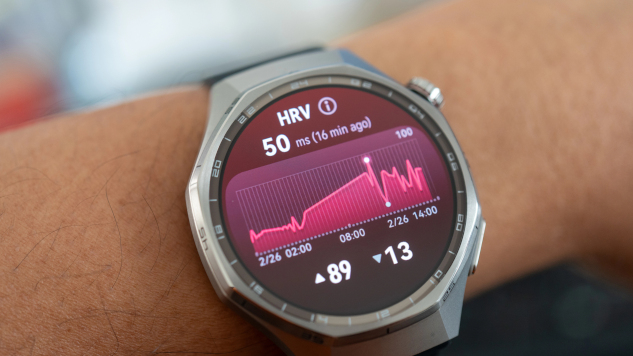
Heart rate variability (HRV) is becoming increasingly popular, especially thanks to smartwatches that allow it to be tracked daily. But beyond the numbers displayed, what does this measure actually mean? And more importantly, how can it help us better understand our health and stress levels?

Heart rate variability (HRV) refers to the variation in time between two consecutive heartbeats. Contrary to the idea of a “regular” heart, a healthy heart actually shows constant fluctuations between beats, and this variability is a positive sign.
HRV reflects the balance of the autonomic nervous system between:
Nowadays, HRV can be easily estimated using smartwatches and wearable sensors, allowing users to monitor trends in stress and recovery over time.
A higher HRV is generally associated with a better ability of the body to adapt. It indicates that the parasympathetic system is active and that the body can efficiently switch between stress and recovery states. It is often seen in physically fit individuals who are well-rested and able to manage stress.
Conversely, a lower HRV suggests sympathetic dominance or reduced physiological flexibility. This may reflect chronic stress, fatigue, overtraining, illness, or insufficient recovery.
However, HRV varies greatly between individuals. Therefore, interpretation should focus mainly on comparing one’s own values over time rather than relying on universal norms.
HRV is recognized as an important indicator of overall health and cardiovascular health. Studies show that lower HRV is associated with poorer autonomic regulation and a higher risk of cardiovascular disease and premature mortality.
Several studies, including a meta-analysis, show that HRV is reduced in individuals with cardiometabolic risk factors such as metabolic syndrome, hypertension, type 2 diabetes, and obesity. This suggests a strong link with autonomic dysregulation and chronic inflammation.




Leave a Reply